What does BIM mean in construction?
In the construction industry, BIM stands for Building Information Modeling. BIM is a sophisticated process that involves creating and managing digital representations of physical and functional characteristics of a building. It goes beyond traditional 2D blueprints and even basic 3D models by incorporating detailed information about various building components and systems.
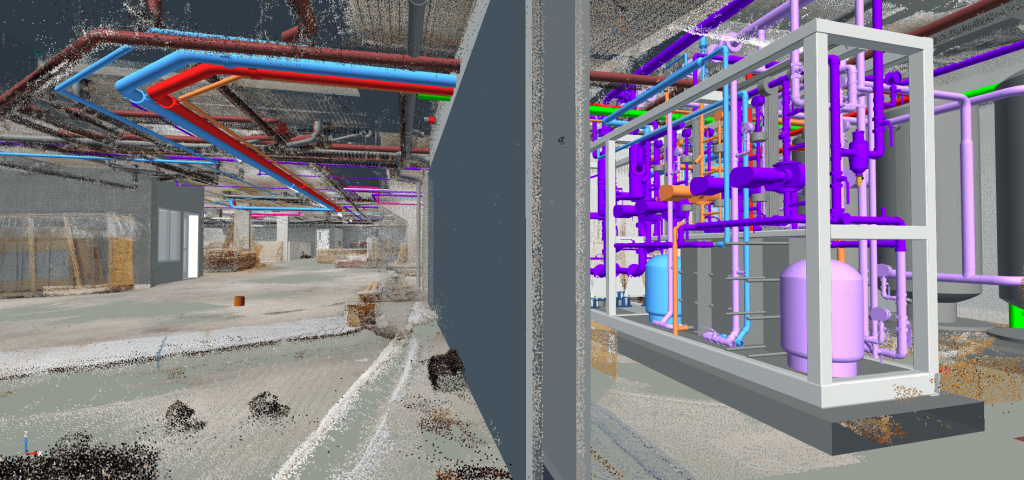
Key Points about Building Information Modeling (BIM):
- Evolution from CAD: While Computer-Aided Design (CAD) revolutionized the way architectural drawings were created, BIM takes it a step further by not only visualizing projects in 3D but also integrating information about each element of the building.
- Collaborative Approach: BIM allows architects, engineers, contractors, and other stakeholders to work together on a shared digital model. This collaborative environment enhances communication, coordination, and decision-making throughout the project lifecycle.
- Design-to-Construction Workflow: One of the significant advantages of BIM is its ability to streamline the design-to-construction workflow. By identifying and rectifying errors in the design phase, BIM helps prevent costly change orders and delays during construction.
- Benefits of BIM:
- Accuracy and Communication: BIM improves accuracy and facilitates better communication between different teams working on a project.
- Design Intent Clarity: It helps clearly define the design intent, ensuring that all stakeholders have a comprehensive understanding of the project.
- Efficiency and Cost Savings: BIM aids in planning and scheduling efficiently, providing real-time cost visualizations, budget estimates, and tracking. It also helps calculate building energy consumption and reduce waste due to supply chain issues.
- True Constructable and BIM: The True Constructable approach emphasizes the visualization of plans and collaboration, which align well with the principles of BIM. By combining expertise in modeling and engineering, True Mechanical leverages BIM to enhance project outcomes and deliver high-quality, efficient, and sustainable buildings.
- Future of Construction: BIM is considered the future of construction as the industry becomes increasingly digitized and collaborative. Being proficient in BIM allows companies to stay ahead of the curve and deliver projects that meet the evolving demands of the modern construction landscape.
By embracing BIM, construction professionals can leverage advanced technology, enhance collaboration, and drive innovation in their projects, ultimately leading to better outcomes and increased efficiency in the construction process.